Tool Shop: How to Choose the Best One for Your Workshop
Choosing the right tool shop is one of the most important decisions facing the owner of a car workshop, production plant or industrial service centre. The quality of the tools and the terms of cooperation affect not only working efficiency, but also employee safety and the profitability of the whole business.
What Makes a Good Tool Shop Stand Out?
A professional tool shop is much more than a place where you can buy spanners or screwdrivers. Above all it is a business partner that understands the specifics of workshop work and can tailor its offer to the real needs of B2B customers.
Breadth and Depth of Range
The best tool shops offer a comprehensive choice of products, from basic hand tools through power tools to specialist workshop equipment. What matters is not only the number of product categories, but also the availability of different variants of the same type of tool, which lets you choose equipment perfectly matched to specific tasks.
Quality of Products Offered
A professional tool shop should work with reputable manufacturers who guarantee the durability and reliability of their products. In a workshop environment tools are heavily used, so their quality translates directly into running costs: cheap substitutes often turn out to be more expensive in the longer term.
Key Criteria for Choosing a Tool Shop for Businesses
B2B Customer Service
Workshop businesses have completely different needs from individual customers. A good tool shop offers dedicated terms for business: volume discounts, extended payment terms, purchasing on a VAT invoice and an assigned account manager who understands the specifics of the industry.
Product Availability and Speed of Order Fulfilment
When a tool breaks down or there is a sudden need, time is critical. The best tool shops hold large stocks and offer express order fulfilment. It is worth checking whether the shop has regional branches or collection points, which speeds up access to the products you need.
Knowledge and Technical Advice
A professional tool shop employs specialists who not only sell products, but can advise on choosing the best solutions. A good adviser should know the specifics of different workshop industries and help optimise equipment for efficiency and safety at work.
Organising Workshop Equipment
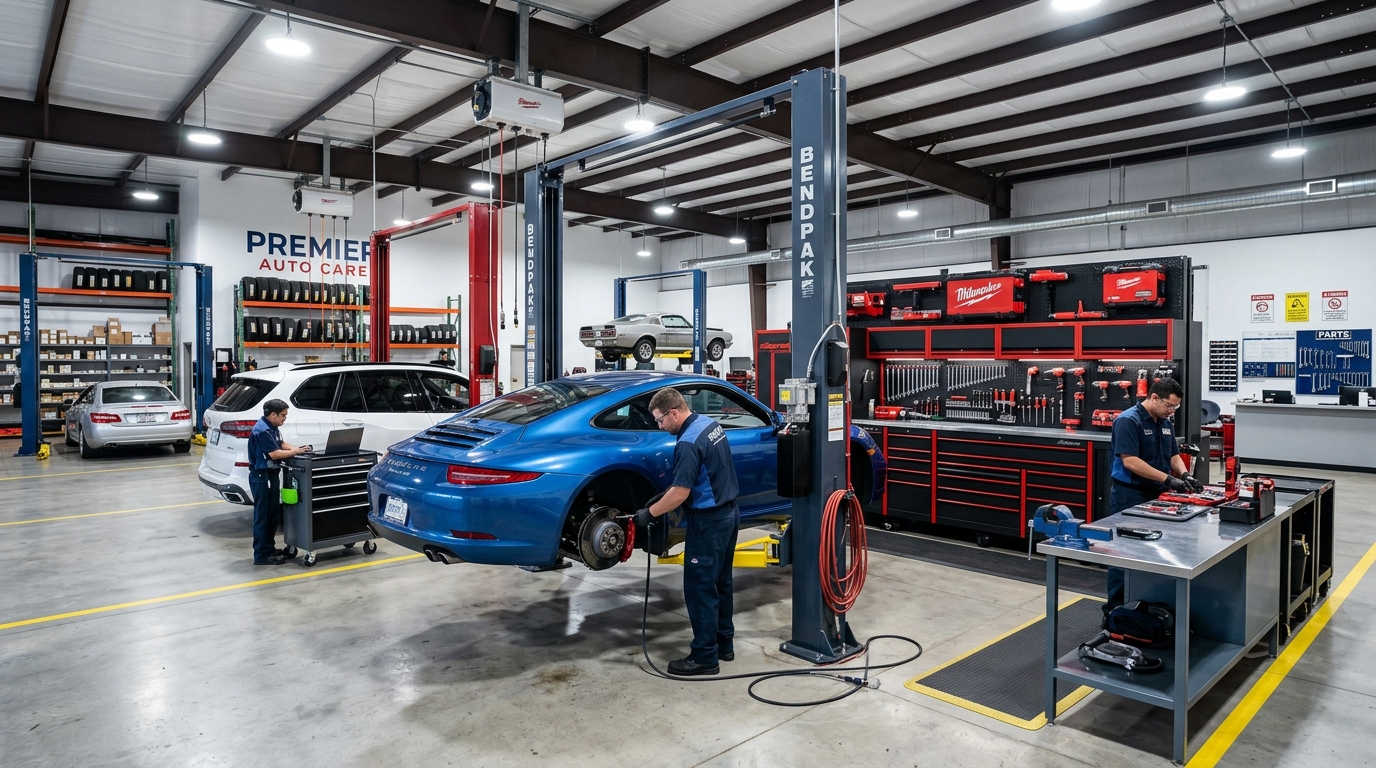
Buying tools is only the beginning: just as important is storing them properly and organising the workshop space. A modern workshop needs a well-thought-out storage system that gives quick access to tools and keeps the workplace tidy.
Tool Storage Systems
Professional workshop equipment includes tool trolleys, workshop cabinets, wall panels and modular systems. A good tool shop offers not just individual products, but complete space-organisation solutions that can be adapted to the individual needs of the workshop.
Ergonomics and Safety
Proper organisation of workstations affects the comfort and safety of employees. Workshop furniture should meet ergonomic standards, and storage systems should be designed to minimise the risk of injury and fatigue.
Buying Online vs. In Store: Which to Choose?
Bricks-and-Mortar Shops
A traditional tool shop allows direct contact with the product before purchase: you can check the weight, balance and build quality of a tool. For many professionals the ability to assess equipment physically before buying is crucial, especially for large investments.
Online Platforms
Online tool shops offer the convenience of ordering at any time, often a wider range and the ability to compare the specifications of different products quickly. The best platforms combine the advantages of both worlds, offering online ordering with in-store collection or a consultation with an adviser before the purchase is finalised.
Long-Term Cooperation with a Tool Shop
For workshop businesses, the most advantageous approach is to build a long-term relationship with one or two proven suppliers. Regular cooperation benefits both sides: the shop gets to know the customer's needs better and can offer more tailored solutions, while the business receives preferential terms and priority service.
Loyalty Programmes and Discounts
Many professional tool shops offer partner programmes for regular business customers. These may include progressive discounts, access to pre-release promotions, or additional services such as an extended warranty or free tool servicing.
Training and After-Sales Support
The best suppliers do not end the relationship with the customer at the sale. They organise training in tool operation, offer technical support and help solve operating problems. This approach builds added value that goes beyond the price of the product alone.
What to Look For with Your First Purchases
When starting to work with a new tool shop, it is worth testing its services with smaller orders. Pay attention to delivery punctuality, the quality of complaint handling, the responsiveness of the customer service department and how closely products match their catalogue descriptions.
Warranty and Complaint Terms
A professional tool shop should offer clear warranty terms and an efficient complaints process. For professional tools that are used intensively, quick and trouble-free complaint handling is crucial for keeping the workshop running.
Summary
Choosing the right tool shop is a strategic decision that affects the efficiency and profitability of every workshop. The key criteria are the quality of the range, the terms of B2B cooperation, product availability and the level of technical support. It is worth investing time in finding a partner that not only sells tools, but genuinely understands the needs of professional workshops and helps optimise equipment and the organisation of the work space.